Working with your condo board during a renovation
A condo renovation is a negotiation with three parties — you, your contractor, and your syndicate. The third party decides whether the project happens at all. Here is how to keep them on your side.
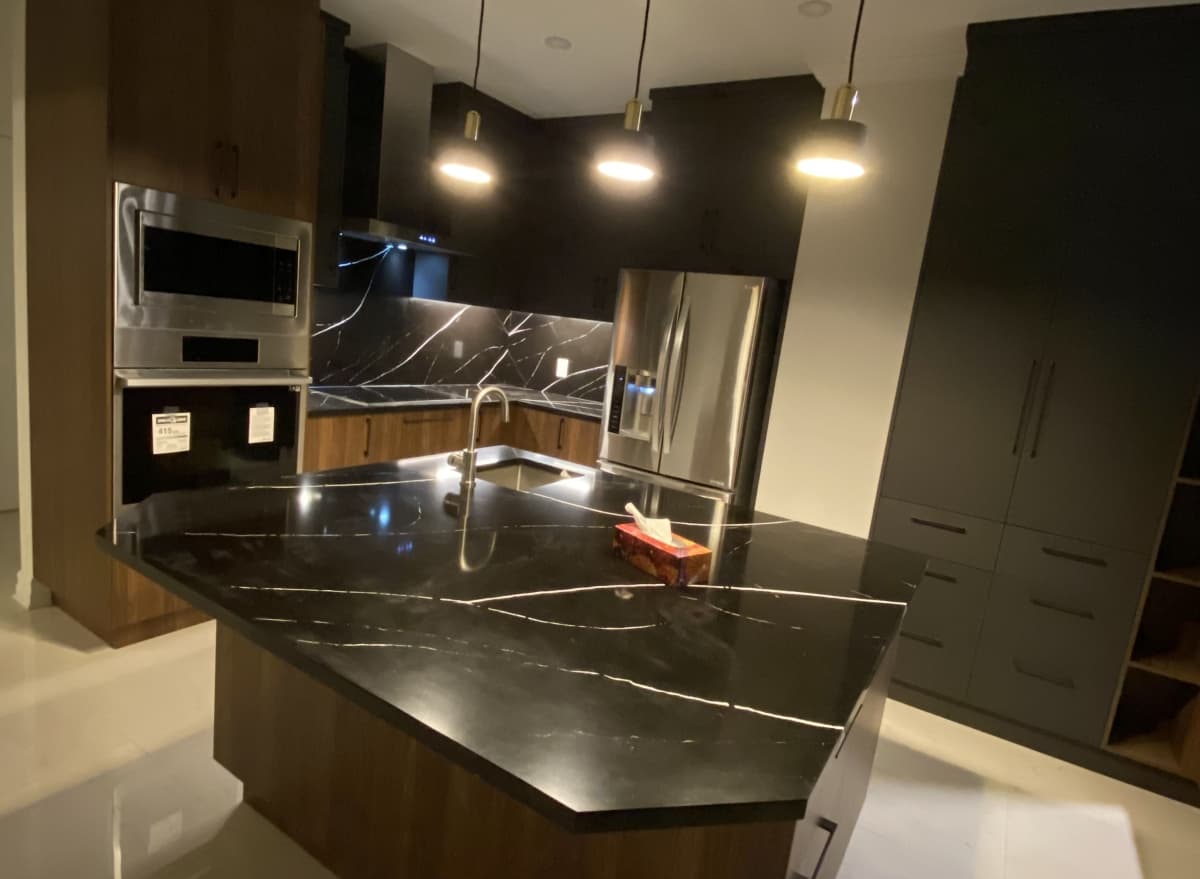
A first-time condo owner in Le Ritz on Sherbrooke asked us last spring whether her board could legitimately block her kitchen renovation. The short answer was yes, and the long answer was that they wouldn't if she made the right two phone calls. We rehearsed the calls together at the kitchen table. She made them the next morning. Approval came in nine days. The renovation that some of her neighbours had warned would take six months of board fights turned into a six-week build with a board secretary who genuinely liked the project.
Condo boards are not enemies. They are people doing a part-time job under a lot of legal exposure, and they react to clarity, paperwork, and respect. Here is how 25 years of working with Montreal syndicates has taught us to approach them.
Read the declaration of co-ownership first
Before you call a contractor, read the document the board reads. Most Montreal syndicates have a declaration of co-ownership (déclaration de copropriété) that defines:
- Which parts of your unit are private and which are common
- What modifications require board approval
- The renovation request form and process
- Working-hours restrictions
- Insurance requirements for any contractor entering the building
The single most useful fact you'll discover is whether your specific scope even requires board approval. Painting the inside of a wall — almost never. Moving a sink — almost always. Changing the entry door — sometimes.
The submission package that gets approved
Boards approve clear submissions and reject vague ones. The Revohouse standard submission contains, in this order:
- Cover letter addressed to the syndicate, summarizing scope in one paragraph
- Detailed scope description — room-by-room, every fixture moved or changed
- Floor plan showing existing and proposed conditions
- Plumbing diagram if anything is being relocated
- Insurance certificate ($2M civil liability minimum; some buildings require $5M) listing the syndicate as additional insured
- RBQ licence certificate (5791-0242-01 for Revohouse) and CCQ certificate
- Construction schedule with start date, milestones, and end date
- Working-hours commitment matching the building's by-laws
- Site protection plan — masonite floor cover, zip-wall doorways, daily clean-out
- Material spec sheets for any specialty system (waterproofing membrane, acoustic underlay, etc.)
Hand it in. Don't email a single PDF the secretary has to print. Walk it to the building manager.

What boards actually worry about
Three things, in order:
- Water damage to other units. Any work involving plumbing, in-floor, or waterproofing membranes triggers anxiety. Show them the membrane spec on every submission.
- Noise complaints from neighbours. The board secretary's phone is the one that rings at 7:42 a.m. when your contractor starts demolition early. Don't be the reason it rings.
- Common-area damage. Hallway carpet, elevator interiors, lobby tiles. These are expensive to repair and visible to every other owner. Protect aggressively.
Address all three pre-emptively in the cover letter. You're not over-promising; you're showing you understand the board's job.
The five behaviours that earn approvals on the next project
If you ever want to renovate again, every interaction matters.
- Daily clean-out of the corridor outside your unit. Photograph it at end of day, email to the building manager. Sounds excessive. Isn't.
- Park trade trucks in visitor parking, not residents' spots. This one issue causes more complaints than anything except noise.
- Hold the elevator with a person, not a wedged door. A wedged elevator that stays stuck is a building-wide emergency.
- Pay any common-area damage immediately. A scuffed lobby wall paid for the week it happens earns you years of goodwill.
- Send a thank-you note to the board after final approval. Five sentences. Mention the building manager by name. It costs nothing and is remembered.
Working-hours rules across Montreal buildings
Patterns we see in real buildings:
- Downtown high-rises (most): 8 a.m. – 5 p.m. weekdays. Saturday work prohibited or restricted to 10 a.m. – 4 p.m. quiet trades only.
- Westmount low-rises: 9 a.m. – 5 p.m. weekdays. No weekend work.
- Plateau / Mile End triplexes: highly variable; some are essentially residential and prohibit any contractor presence after 4 p.m.
- Old Montreal heritage buildings: standard working hours plus a hard "no exterior work visible from public realm" overlay
- Suburban condos (DDO, Pointe-Claire): 8 a.m. – 6 p.m. weekdays, often 9 a.m. – 5 p.m. Saturday
Confirm your specific building's rule in writing before quoting your contractor. A renovation priced on full eight-hour days that turns into six-hour days will run over.
The cost of a difficult board
When a board genuinely doesn't want a renovation to happen — sometimes for legitimate reasons, sometimes not — the result is delay rather than denial. A typical adversarial board:
- Takes 4–6 weeks longer to review a submission
- Sends 3–5 rounds of clarification requests
- Schedules an in-person committee meeting before issuing approval
- Sends a board-appointed inspector to walk the work weekly
Realistic cost impact: an extra 6–10 weeks on the front end and a $3,000–$8,000 project-management overhead increase on our side, which we'd pass through to the client at cost.
The better answer is rarely to escalate. It's to over-document, over-communicate, and out-patient them.
What we do for every Montreal condo client
For every Revohouse condo renovation, our project manager:
- Drafts and submits the board package
- Attends the committee meeting on your behalf if requested
- Maintains a weekly email log to the building manager during construction
- Photographs every protection measure and emails the photo set weekly
- Handles every neighbour complaint directly so the board doesn't have to
If your contractor is asking you to do any of this work, hire a different contractor.
FAQ
Can a board legally block my renovation?
For private interior work, almost never. For work involving common elements (plumbing stacks, structural members, balconies, exterior surfaces), often yes. The declaration of co-ownership is the binding document.
How long does a typical Montreal board approval take?
3–6 weeks for routine submissions to functional boards. 8–12 weeks for complex submissions or adversarial boards. We schedule construction so the contract signing doesn't lock you to a date until the board has approved.
Does Revohouse cover damage to common areas?
Yes — our civil liability insurance covers any damage caused by our trades. We also self-fund minor cosmetic touch-ups (paint scuffs, baseboard nicks) as part of the project, rather than asking the building to invoice.
Can I renovate before board approval?
No. Even demolition without approval risks a stop-work order from the syndicate that can cost weeks and force a full re-submission. We never start work without written board approval in hand.
Planning a renovation like this?
Sadio Moghaddam
General contractor · RBQ 5791-0242-01
Sadio Moghaddam has led Revohouse since 2000 and personally signs every quote. First consultations are free and no-obligation.